0% No Interest Financing*


Delivering Trusted Service Since 1951
Back to Blog
HVAC Condensate Drain Pan Basics

Happy Customers Choose...
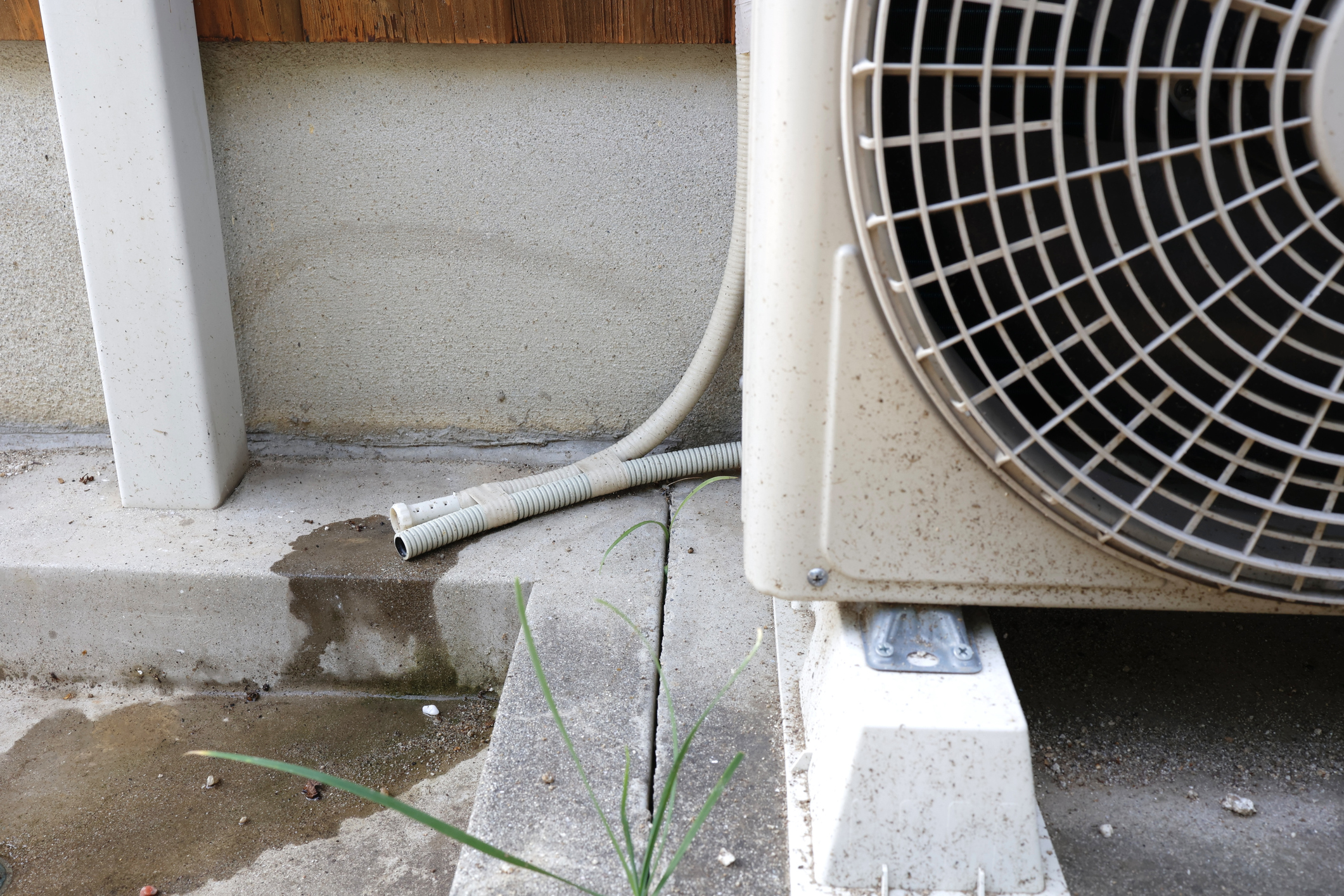
An HVAC condensate drain pan sits beneath the evaporator coil and collects moisture your air conditioner removes from indoor air. That water should flow through the condensate drain line and out of your home. If the drain line becomes clogged or the pan cracks, corrodes, or overflows, water can collect around your HVAC equipment and potentially cause damage.
Your air conditioning system removes both heat and moisture from your indoor air. As moisture condenses on the evaporator coil, it needs a safe path out of the system.
That is where the condensate drain pan and drain line come in.
When these components are working properly, you may never notice them. When something goes wrong, however, you may see water around your HVAC system, notice excess humidity, or experience an unexpected system shutdown.
What Is an HVAC Condensate Drain Pan?
A condensate drain pan is positioned beneath the evaporator coil inside or near your HVAC system. As warm indoor air passes over the cold evaporator coil, moisture in the air condenses into water.
That water:
- Drips off the evaporator coil
- Collects in the condensate drain pan
- Flows into the condensate drain line
- Travels away from the HVAC system
- Drains to an appropriate location
The drain pan acts as the collection point, while the drain line carries the water away.
Both parts need to remain clear and in good condition for proper drainage.
Why Does Your AC Produce Condensation?
Your air conditioner does more than cool your home. It also removes moisture from the air.
As humid indoor air moves across the cold evaporator coil:
- The air temperature drops
- Moisture condenses on the coil
- Water forms on the coil surface
- The water drips into the condensate pan
- The drain line carries the water away
In humid conditions, your HVAC system may produce a significant amount of condensate.
That makes proper drainage especially important during periods of frequent AC use.
What Are the Most Common HVAC Condensate Drain Pan Problems?
Several problems can interfere with normal condensate drainage.
Common issues include:
- Clogged condensate drain lines
- Rust or corrosion
- Cracked drain pans
- Algae or mold buildup
- Improper drain-line slope
Each problem can prevent water from leaving the HVAC system properly.
What Happens When an AC Condensate Drain Line Is Clogged?
A clogged condensate drain line can cause water to back up into the drain pan.
Common causes of a blockage may include:
- Dirt
- Dust
- Debris
- Algae
- Mold buildup
As the blockage becomes worse, water may no longer be able to drain normally.
You may notice:
- Standing water in the drain pan
- Water leaking around the HVAC unit
- Moisture near the air handler
- Musty odors
- Excess humidity
- An AC system that shuts off unexpectedly
Some HVAC systems include a safety switch designed to shut the system down when the condensate level becomes too high.
This feature can help prevent an overflow, but it also means a clogged drain line may leave you without cooling until the problem is corrected.
Why Is My HVAC Drain Pan Full of Water?
A drain pan that stays full of water usually means the condensate is not draining properly.
Possible causes include:
- A clogged drain line
- Algae or mold inside the line
- Improper drain-line slope
- A blocked drain outlet
- A drainage problem elsewhere in the system
A small amount of temporary moisture may be normal while the AC is running.
A pan that remains full or begins overflowing should be inspected.
Can a Cracked AC Drain Pan Cause a Leak?
Yes. A cracked drain pan can allow condensate to escape before it reaches the drain line.
Cracks may develop because of:
- Age
- Wear
- Material deterioration
- Stress
- Physical damage
Even a small crack can allow water to leak around your HVAC equipment.
Depending on the location of the air handler, that water may affect:
- Flooring
- Ceilings
- Walls
- Insulation
- Nearby building materials
A damaged pan may need to be repaired or replaced.
Why Is My HVAC Drain Pan Rusting?
Metal condensate pans can develop rust or corrosion over time. Because the pan is regularly exposed to moisture, deterioration can occur as the equipment ages.
Signs of corrosion may include:
- Rust-colored spots
- Pitting
- Weak areas in the pan
- Small holes
- Water stains beneath the unit
- Repeated leaks
A corroded pan may eventually lose its ability to hold and direct condensate properly.
If the pan is deteriorating, replacement may be the best long-term solution.
Can Algae or Mold Clog a Condensate Drain Line?
Yes. Condensate lines contain moisture, which can create conditions where algae or microbial buildup develops.
Over time, that buildup can:
- Restrict water flow
- Create partial blockages
- Cause complete drain clogs
- Produce musty odors
- Contribute to overflowing water
Routine HVAC maintenance can help identify buildup before it causes a major drainage problem.
Why Does Condensate Drain Line Slope Matter?
Condensate drain lines rely on gravity to move water away from the HVAC system.
If the line does not have the proper slope, water may:
- Drain too slowly
- Remain inside the line
- Collect in low spots
- Encourage algae growth
- Back up toward the drain pan
Improper slope can sometimes result from installation issues or changes to the drain line over time.
A technician can inspect the line and determine whether the drainage path is properly configured.
What Are the Signs of an HVAC Condensate Drain Problem?
Condensate problems often create visible or noticeable warning signs.
Watch for:
- Water around the HVAC unit
- The drain pan may be overflowing, cracked, or damaged.
- Standing water in the drain pan
- The drain line may be clogged or draining too slowly.
- AC shutting off unexpectedly
- A condensate safety switch may have been triggered.
- Visible rust or corrosion
- The drain pan may be deteriorating.
- Musty odors near the HVAC system
- Moisture or microbial buildup may be present.
- Recurring water leaks
- A drainage problem may not have been fully corrected.
- Excess indoor humidity
- The HVAC system may not be managing moisture effectively.
- Water stains on ceilings or walls
- A leaking condensate system may be affecting nearby areas.
Can a Condensate Drain Problem Shut Off Your AC?
Yes. Many HVAC systems include a float switch or condensate safety switch. If water rises too high because the drain line is clogged, the switch may shut down the system. This helps reduce the risk of water overflowing from the pan.
If your AC suddenly stops working and there is standing water near the air handler, the condensate drainage system may be one possible cause. Do not bypass the safety switch. The underlying drainage problem should be corrected before normal operation resumes.
How Can You Prevent HVAC Drain Pan and Drain Line Problems?
Routine maintenance is one of the best ways to reduce the risk of condensate drainage problems.
Helpful steps include:
- Schedule regular HVAC maintenance.
- Keep the HVAC filter clean.
- Have the condensate drain line inspected.
- Address slow drainage before it becomes a full blockage.
- Watch for standing water near the air handler.
- Check for visible rust or damage.
- Do not ignore recurring musty odors.
- Have unexplained water leaks inspected promptly.
Preventive maintenance can help identify small drainage issues before they lead to water damage or system shutdowns.
When Should an HVAC Drain Pan Be Replaced?
A drain pan may need replacement when it can no longer reliably collect and direct condensate.
Replacement may be appropriate if the pan has:
- Cracks
- Holes
- Severe rust
- Extensive corrosion
- Repeated leaks
- Structural deterioration
The best repair depends on the type of pan, its condition, and the design of the HVAC system.
An HVAC technician can determine whether repair is practical or replacement is the better option.
Can You Clean a Condensate Drain Line Yourself?
Some homeowners perform basic condensate drain maintenance, but not every drainage problem should be handled as a DIY project.
Professional service may be the better option if:
- The line is completely blocked.
- Water continues to back up.
- The pan is cracked or rusted.
- The system repeatedly shuts off.
- There is water damage around the unit.
- The source of the leak is unclear.
- The drain line needs to be repaired or repositioned.
The goal is not simply to remove visible water.
The cause of the drainage problem also needs to be identified.
When Should You Call an HVAC Professional?
Schedule HVAC service if you notice signs that the condensate system is not draining properly.
Call for professional help if:
- Water is leaking around your HVAC equipment.
- The condensate pan repeatedly fills with water.
- Your AC keeps shutting off.
- You see rust, cracks, or corrosion.
- The drain line repeatedly clogs.
- You notice water stains near the unit.
- Musty odors continue after cleaning.
- You are unsure where the water is coming from.
A technician can inspect the drain pan, drain line, safety switches, and nearby HVAC components to identify the source of the problem.
Keep Your HVAC Condensate System Draining Properly
Your condensate drain pan and drain line may be small parts of your HVAC system, but they play an important role in protecting your equipment and your home.
Remember:
- The drain pan collects moisture from the evaporator coil.
- The condensate line carries that water away.
- Clogs can cause water to back up.
- Cracks and corrosion can lead to leaks.
- Algae and mold can restrict drainage.
- Improper drain-line slope can prevent normal water flow.
- Some systems will shut off automatically when condensate backs up.
- Routine HVAC maintenance can help catch problems early.
At Blanton’s Air, Plumbing & Electric, we can inspect your HVAC system and determine whether a clogged drain line, damaged pan, or another issue is causing water around your equipment.
If you notice leaks, standing water, recurring clogs, or unexpected AC shutdowns, contact our team to schedule HVAC service.











How Can We Help?

Recent Posts


Don’t Settle For Less
Make Blanton’s Your First Call!
We make the process easy in multiple ways but you can always expect the same, easy way when you work with us:
Ready for what’s next?
How Can We Help?
Get Your service with a Wow!
Our Extraordinary Service Plan features maintenance, Service, & Support for Your Home
- Annual HVAC tune-up and inspection
- Annual water heater inspection
- Annual electrical safety inspection
- No extra charge for Saturday service
- All repairs backed by a one-year warranty
- Exclusive members-only savings
- Priority service and dedicated support line
Learn More