0% No Interest Financing*



Delivering Trusted Service Since 1951
Back to Blog
What To Do When There Is Rust in Your Water

Happy Customers Choose...
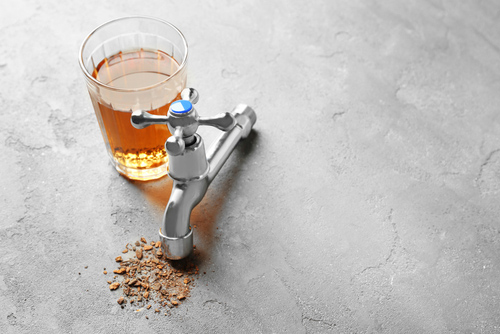
If there is rust in your water, run the affected tap for several minutes to see if the discoloration clears. If rust only appears in hot water, your water heater may be the source; if it only appears at one faucet, the issue may be a corroded fixture or supply line. If rusty water continues, schedule plumbing service so a professional can inspect your water heater, pipes, and water quality.
Rusty water can be alarming, especially when it appears suddenly in your sink, shower, toilet, or washing machine. While a small amount of discoloration may clear after running the tap, persistent rust-colored water can indicate a larger issue in your plumbing system.
In this guide, we’ll explain why rust may be coming out of your faucet, how to narrow down the source, what rusty water can do to your home, and when to call Blanton’s for professional plumbing service.
Why Is Rust Coming Out of My Faucet?
Rusty water usually means iron, sediment, corrosion, or mineral buildup is moving through your plumbing system. You may notice orange, red, brown, or yellow discoloration in the water. In some cases, the water may also have a metallic taste or leave rust-colored stains around drains, tubs, sinks, toilets, or laundry.
If rusty water only appears when you turn on the hot water, your water heater may be the source. Sediment and corrosion can build up inside the tank over time and travel through your hot water lines.
If rusty water only comes from one faucet, the issue may be isolated to that fixture, shutoff valve, or supply line. This is often easier to repair than a whole-home plumbing issue, but it should still be checked before the corrosion spreads or worsens.
If rusty water appears throughout the home, the problem may be connected to aging pipes, mineral-heavy water, or the water supply entering your home. In these cases, a plumber can inspect the system and help determine whether you need water treatment, pipe repair, or another long-term solution.
Some bacteria can also contribute to corrosion inside plumbing lines. These bacteria thrive in damp, low-light environments and may create discoloration, odors, or buildup in your water system.
Is Rusty Water Dangerous to Drink or Bathe In?
Rusty water is not something you should ignore. Even when the issue is caused by sediment or minerals, it can affect your comfort, hygiene, laundry, fixtures, and plumbing system.
Rust-colored water can stain clothing, towels, bedding, sinks, tubs, and toilets. It may also leave your water with a metallic taste, make hair feel dry or dull, and irritate sensitive skin. If the discoloration is caused by corrosion, it may be a warning sign that part of your plumbing system is wearing down.
The longer rusty water continues, the more likely it is to cause stains and point to damage that needs professional attention. If your water is heavily discolored, smells unusual, or does not clear after running the tap, have the system inspected.
How Do You Fix Rusty Water in Your Home?
The right fix depends on where the rust is coming from. Some rusty water problems are temporary, while others require water heater service, plumbing repair, filtration, or pipe replacement.
1. Run the Water for Several Minutes
Start by running the affected tap for several minutes. If the rust is caused by temporary debris in the line, the water may clear on its own.
This is only a short-term test. If the discoloration returns, affects more than one fixture, or appears every time you use hot water, there may be a larger plumbing issue.
2. Check the Hot and Cold Water Separately
Turn on the cold water first and watch for discoloration. Then test the hot water.
If only the hot water is rusty, your water heater may need to be inspected, flushed, repaired, or replaced. If both hot and cold water are rusty, the issue may be in your pipes, supply lines, or water source.
3. Look for Stains, Odors, or Metallic Taste
Rusty water does not always look the same. You may see orange stains around fixtures, notice a metallic taste, or smell an unusual odor from the water.
These signs can help a plumber narrow down the source of the problem. Pay attention to where the rust appears, whether it affects hot water, cold water, or both, and whether it occurs at a single fixture or throughout the home.
4. Consider a Rust Filter or Water Filtration System
If your home’s water supply regularly has high iron or mineral content, a filtration system may help reduce rust-colored water, staining, and metallic tastes.
A filter can be helpful when the water source is the problem. However, filtration will not repair corroded pipes, failing supply lines, or a deteriorating water heater. That is why it is important to identify the source before choosing a solution.
5. Repair or Replace Corroded Plumbing
If corrosion inside your plumbing system is causing rusty water, the affected parts may need to be repaired or replaced. This could include a fixture, a supply line, a section of pipe, or a water heater component.
A licensed plumber can inspect your system, find the source of the rust, and recommend the safest long-term fix for your home.
When Should You Call a Plumber for Rusty Water?
Call Blanton’s if rusty water keeps coming back after you run the tap, only your hot water is rusty, multiple faucets have rust-colored water, or your water has a strong metallic taste or odor.
You should also schedule plumbing service if you notice orange stains in sinks, tubs, toilets, or laundry, or if you suspect your pipes or water heater may be corroding.
Rusty water can start as a minor inconvenience, but it may be an early warning sign of a more serious plumbing issue. The sooner you have it inspected, the easier it may be to protect your home from stains, leaks, corrosion, and water quality problems.
Choose Blanton’s for Rusty Water and Plumbing Repairs
Blanton’s has been helping homeowners with trusted plumbing service for more than 75 years. Whether the issue is your water heater, supply lines, aging pipes, or water quality, our team can identify the source and recommend the right solution for your home.
If you have rust in your water, do not wait for stains, corrosion, or water-quality issues to worsen. Contact Blanton’s today and let our team restore clean, reliable water to your home.
How Can We Help?

Recent Posts


Don’t Settle For Less
Make Blanton’s Your First Call!
We make the process easy in multiple ways but you can always expect the same, easy way when you work with us:
Ready for what’s next?
How Can We Help?
Get Your service with a Wow!
Our Extraordinary Service Plan features maintenance, Service, & Support for Your Home
- Annual HVAC tune-up and inspection
- Annual water heater inspection
- Annual electrical safety inspection
- No extra charge for Saturday service
- All repairs backed by a one-year warranty
- Exclusive members-only savings
- Priority service and dedicated support line
Learn More