Customer Portal



Delivering Trusted Service Since 1951
Back to Blog
Choosing the Right AC Cover: What Fayetteville Homeowners Should Know

Happy Customers Choose...
Choosing the right cover for your outdoor air conditioning unit is an important part of protecting your system during the off-season. Many Fayetteville homeowners consider using an outdoor AC cover or exploring different air conditioner covers to guard their unit against leaves, debris, and changing seasonal conditions. While Fayetteville winters are milder than those in other regions, cold nights, wind, and moisture can still impact your AC system if it is not properly maintained.
Selecting the wrong cover can trap moisture, restrict airflow, or create problems that outweigh any benefits. However, choosing the right style with the correct materials can extend the life of your unit and keep it cleaner year-round.
In this blog, we will explore the benefits of AC covers, explain how to choose the right one, and share tips Fayetteville homeowners can use to protect their outdoor systems effectively.
Why Homeowners Use Air Conditioner Covers
Many Fayetteville homeowners turn to air conditioner covers to protect their outdoor units during the cooler months. Although the region experiences milder winters compared to other parts of the country, wind, rain, and falling debris can still build up around the system. Using an outdoor AC cover can help reduce the amount of dirt and organic material that settles inside the unit when it is not running regularly.
Covering an AC unit can also make spring startup easier by keeping leaves, pine needles, and small branches from entering the system. In neighborhoods with heavy vegetation or frequent storms, a cover can help prevent debris from clogging the fins or obstructing airflow. Some homeowners also choose covers for aesthetic reasons, as they help keep the outdoor unit clean and visually consistent with the surrounding landscape.
- Reduces debris buildup during the off-season
- Keeps the unit cleaner for easier spring maintenance
- Protects internal components from falling leaves or twigs
- Helps prevent dirt from collecting around coils and fins
- Offers a cleaner appearance through the winter months
While air conditioner covers provide benefits in certain situations, it is important to choose the right type and avoid using them in ways that may trap moisture or restrict airflow.
How an Outdoor AC Cover Works
An outdoor AC cover is designed to protect the air-conditioning unit from debris, dirt, and weather conditions during the cooler months. While air conditioner covers come in many styles, the general purpose is to keep unwanted material out of the system when it is not in use. Fayetteville winters may be mild, but wind, rain, and falling leaves can still collect around the outdoor unit and lead to unnecessary wear over time.
A quality cover allows the unit to stay cleaner by reducing the amount of debris that settles inside or on top of the system. It also protects delicate fins and coils from objects that could bend or clog them. However, an outdoor AC cover is not meant to create a sealed barrier. Good airflow is still important, even in winter, because trapped moisture can cause rust, corrosion, or mold growth.
How a proper AC cover works:
- It shields the top and sides of the unit from falling debris.
- It reduces buildup of dirt, leaves, and pine needles.
- It helps protect the coil fins from physical damage.
- It uses breathable materials to prevent moisture from being trapped.
- It keeps the unit cleaner without restricting necessary airflow.
When chosen and used correctly, an outdoor AC cover can help Fayetteville homeowners maintain a cleaner and more efficient system throughout the off-season.
Types of Air Conditioner Covers
There are several styles of air conditioner covers available today, and each one offers different benefits depending on your climate and how your system is used during the off-season. Fayetteville homeowners may not need heavy insulation due to the region’s milder winters, but choosing the right outdoor AC cover can still help protect the unit from debris, rain, and seasonal weather changes.
Understanding the different types of covers makes it easier to select the option that best fits your home and HVAC system.
Full AC Covers
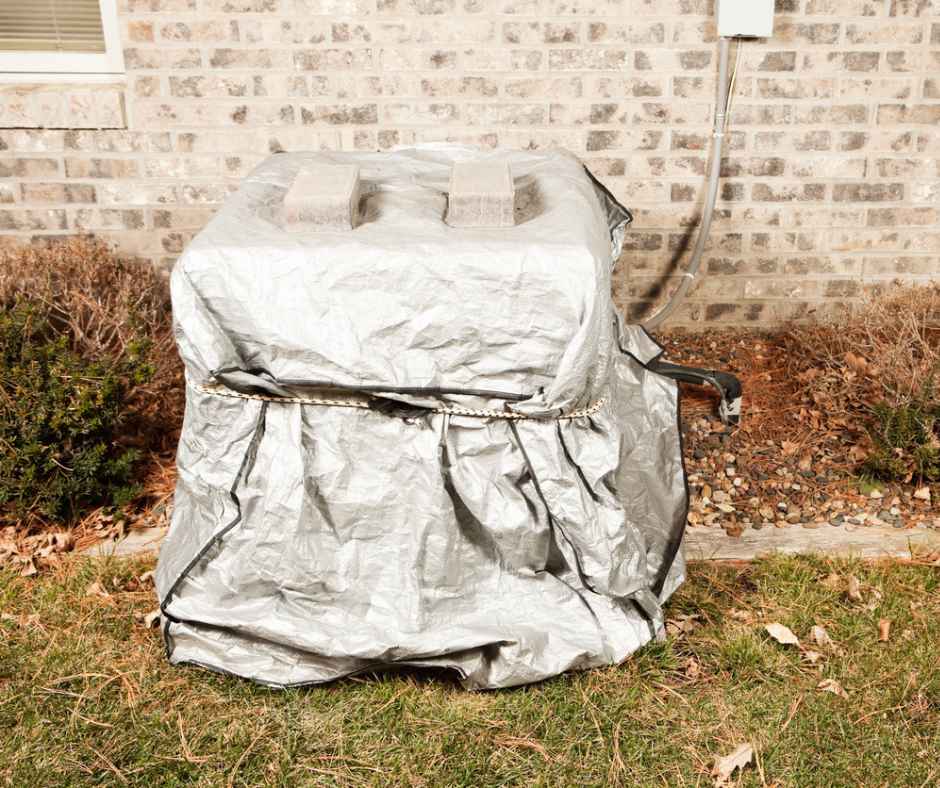
These wrap around the entire outdoor unit and offer strong protection from leaves and debris. However, full covers can trap moisture, which may lead to corrosion or mold if the material is not breathable. Full covers are often not recommended unless used cautiously.
Top-Only Covers
Top-only covers shield just the upper portion of the unit. This style protects the system from falling leaves, pine needles, and small branches without restricting airflow. For Fayetteville’s climate, this is often the safest and most practical option.
Mesh or Breathable Covers
These covers are designed to allow airflow while still offering light protection from debris. They help reduce moisture buildup and are a good choice for humid climates where trapped moisture can become a problem.
Custom-Fitted Covers
Custom covers are made to fit your specific AC model. They typically use breathable materials and provide a secure, well-fitted option for seasonal protection. These are ideal for homeowners who want a balanced mix of coverage and ventilation.
Generic or Universal Covers
These are widely available and fit a range of unit sizes. While convenient, they may not offer the best fit, which increases the risk of moisture trapping or airflow issues.
Choosing the right type of outdoor AC cover depends on your system, yard conditions, and how much protection is needed during Fayetteville’s winter months.
When You Should Use an Outdoor AC Cover
Fayetteville’s climate is generally mild in winter, which means most outdoor AC units do not require full coverage. However, there are situations where using an outdoor AC cover can help protect the system and reduce the amount of debris that collects inside the unit. Understanding when covers are beneficial helps homeowners make informed decisions about winter maintenance.
You may want to use air conditioner covers when:
- Your unit is located under trees. Falling leaves, pine needles, acorns, and small branches can build up inside the system and affect performance when cooling season returns.
- You experience frequent wind or storms. Fayetteville’s winter storms can blow dirt, twigs, and loose debris into outdoor units.
- Your AC unit is idle for the season. If you have an AC-only system, a top-only cover can help reduce exposure to debris.
- You want a cleaner unit in spring. Covers make it easier to restart the AC since less cleaning is needed.
- You prefer cosmetic protection. Some homeowners use a cover to maintain a tidy appearance in their outdoor space.
Using a breathable, top-only cover is usually the safest option, since it protects the unit without trapping moisture. This approach works well for Fayetteville homes, where winter temperatures rarely drop low enough to require heavy insulation.
When You Should Avoid Using Air Conditioner Covers
Although air conditioner covers can be useful in certain situations, there are times when using a cover may do more harm than good. Winters in Fayetteville are mild and humid, which means trapped moisture can become a bigger threat than snowfall or freezing temperatures. Knowing when to avoid an outdoor AC cover helps protect your system from unnecessary wear and damage.
You should avoid covering your AC unit when:
- You have a heat pump. Heat pumps operate all year, including during the winter. Any cover can restrict airflow and interfere with normal operation.
- Your cover is not breathable. Non-breathable materials trap moisture, which can lead to rust, mold, or corrosion inside the unit.
- You are using a full wrap-around cover. Fully enclosing the unit limits ventilation and increases the chance of moisture buildup.
- You have pest concerns. Covers can create warm, sheltered areas that attract rodents or insects looking for winter nesting spots.
- Your unit is in an open, debris-free area. If little debris collects around the system, a cover provides minimal benefit and increases the risk of trapping humidity.
Fayetteville’s climate makes airflow more important than insulation. For this reason, most professionals recommend avoiding full covers and using breathable, top-only options only when necessary to prevent debris buildup.
Key Features to Look for in a Quality AC Cover
Choosing the right outdoor AC cover is essential for protecting your system without causing unintended damage. Not all air conditioner covers are designed the same, and selecting the wrong materials or size can trap moisture, restrict airflow, or create pest issues. Fayetteville’s climate requires a cover that provides light protection from debris while still allowing the unit to breathe.
Key features to look for include:
- Breathable materials: A high-quality cover should allow air to circulate. Breathable fabric prevents condensation from forming inside the unit, reducing the risk of rust and mold.
- Weather resistance: A good cover protects against light rain, falling leaves, and dirt without sealing the unit too tightly. Look for covers that repel water but still allow airflow.
- UV protection: Fayetteville experiences strong sunlight even in cooler months. A UV-resistant cover helps protect the unit’s finish and prevents fading or cracking.
- Secure fastening options: Features such as drawstrings, straps, or elastic edges keep the cover in place during windy conditions, preventing it from shifting or blowing away.
- Proper size and fit: The cover should fit snugly without compressing the coils or blocking ventilation. Too-tight covers can restrict airflow, while loose covers can flap in the wind and cause wear.
- Top-only designs for mild climates: A top-only outdoor AC cover is ideal for Fayetteville, since it shields the unit from falling debris without trapping humidity around the sides.
Selecting a cover with these features ensures that your unit receives protection without compromising airflow or performance during the off-season.
Measuring Your Unit for the Right Fit
Selecting the correct size for an outdoor AC cover is just as important as choosing the right material. An improperly sized cover can restrict airflow, trap moisture, or leave parts of the system exposed. Before purchasing any air conditioner covers, homeowners should take a few simple measurements to ensure a safe, effective fit.
How to Measure Your AC Unit
- Measure the height: Use a tape measure to record the height from the ground to the top of the unit. Avoid including the fan guard if the cover is top-only.
- Measure the width and depth: Measure the side-to-side and front-to-back dimensions. These measurements help determine whether a cover will fit snugly without compressing the unit.
- Allow room for airflow: The cover should not press tightly against the coils. Choose a size that fits comfortably around the unit while leaving slight space for ventilation.
- Account for top-only covers: If you are choosing a top-only outdoor AC cover, measure only the upper width and depth. Top-only covers should sit securely without blocking the sides of the unit.
- Check manufacturer guidelines: Many HVAC manufacturers provide recommended cover sizes or model-specific measurements to ensure safe use.
Why Fit Matters
A well-fitted cover protects the unit from debris without trapping moisture or restricting airflow. For Fayetteville’s mild winter climate, choosing the correct size ensures you get the benefits of a cover without causing ventilation or condensation issues.
How to Install and Maintain Your Outdoor AC Cover
Proper installation and care help ensure that your outdoor AC cover works effectively throughout the off-season. Even the best air conditioner covers can cause issues if they are not installed correctly or maintained over time. Fayetteville’s mild winters mean your cover should focus on debris control rather than full sealing, so keeping ventilation in mind is important.
How to Install an Outdoor AC Cover
- Clean the unit first: Remove leaves, dirt, and debris from around and inside the unit before placing the cover. This helps prevent buildup during winter.
- Position the cover properly: Place the cover over the top or around the unit, depending on the style. Ensure the fan area is protected while keeping the sides ventilated, especially with AC-only systems.
- Secure the straps or fasteners: Use the built-in straps, elastic edges, or drawstrings to keep the cover in place during wind or storms.
- Avoid overly tight coverage: The cover should not compress coils or block airflow. Leave slight room for ventilation to prevent moisture from becoming trapped.
- Check your cover periodically: Inspect the cover during the winter to make sure it has not shifted or collected excess debris.
Seasonal Maintenance Tips
- Clean the cover before storing it for spring.
- Allow the cover to dry fully to avoid mold or mildew.
- Store it in a cool, dry place away from direct sunlight.
- Inspect the cover for tears or damage before using it again next year.
Proper installation and maintenance help your outdoor AC cover function as intended and protect your Fayetteville system without creating additional problems.
Choosing the Right AC Cover for Your Home
Selecting the right outdoor AC cover can help protect your air-conditioning system from debris, dirt, and seasonal weather changes, especially during the off-season. Understanding when to use a cover, which type works best for Fayetteville’s mild winter climate, and what features to look for ensures your system stays clean without trapping moisture or restricting airflow. Whether you choose a top-only design or a breathable custom cover, the right choice helps maintain your AC unit and supports long-term performance.
For expert advice on air conditioner covers and personalized guidance for Fayetteville homes, contact Blanton’s Air, Plumbing & Electric today.
Frequently Asked Questions About AC Covers
Should I cover my AC unit if my home uses a heat pump?
No. Heat pumps run year round, including during the winter. Using an outdoor AC cover on a heat pump can block airflow and interfere with normal operation, which may lead to freezing or reduced efficiency.
Are air conditioner covers necessary in mild climates like Fayetteville?
Not always. Because Fayetteville winters are mild, most homeowners only need air conditioner covers to reduce debris, not for insulation. A breathable top-only cover is usually enough for basic protection.
Can I use a waterproof tarp as an AC cover?
It is not recommended. Tarps trap moisture and block ventilation, which can lead to rust, mold, or internal damage. A breathable outdoor AC cover is a safer and more effective option.
How often should I remove debris from around my AC unit in winter?
Check your unit every few weeks. Even with air conditioner covers, leaves and pine needles can collect around the base of the system. Clearing debris helps maintain airflow and prevents pests from gathering.
Do AC covers help improve energy efficiency?
Covers do not directly improve efficiency, but they help keep the system cleaner, which supports better performance when the cooling season returns. Using the right outdoor AC cover can minimize dirt buildup and reduce wear on components.
How Can We Help?

Recent Posts



Don’t Settle For Less
Make Blanton’s Your First Call!
We make the process easy in multiple ways but you can always expect the same, easy way when you work with us:
Ready for what’s next?
How Can We Help?
Get Your service with a Wow!
Our Extraordinary Service Plan features maintenance, Service, & Support for Your Home
- Biannual HVAC tune-up and inspection
- Annual water heater inspection
- Annual electrical safety inspection
- No extra charge for Saturday service
- All repairs backed by a one-year warranty
- Exclusive members-only savings
- Priority service and dedicated support line
Learn More