
Why Is My Water Heater Leaking? Common Causes and What to Do
Happy Customers Choose...
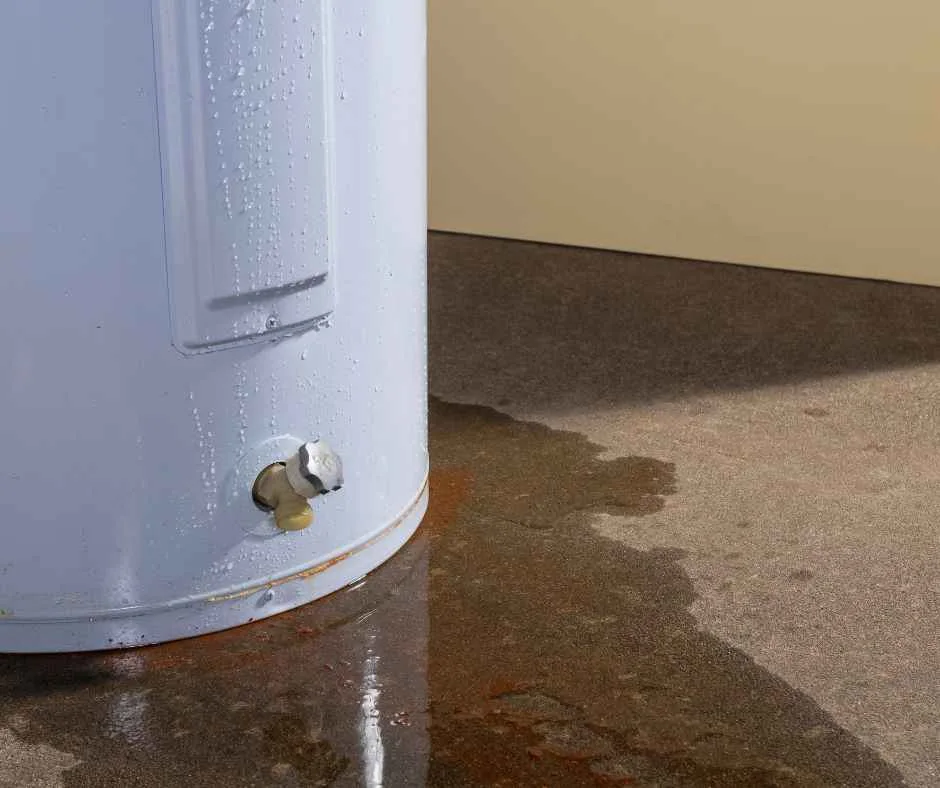
A water heater may leak because of loose plumbing connections, a faulty valve, excessive water pressure, or corrosion inside the tank. Leaks from the top often involve water supply connections, while leaks near the bottom may indicate a damaged drain valve or deteriorating tank. If your water heater is leaking, shut off the water supply and, if safe, the power or gas, then contact a licensed plumber to determine whether repair or replacement is necessary.
A leaking water heater can quickly turn into a costly plumbing problem. Even a small amount of water pooling around the unit can indicate an issue that needs attention.
For homeowners in Raleigh, Durham, Fayetteville, and surrounding North Carolina communities, recognizing the warning signs early can help prevent water damage and unexpected hot water interruptions.
What Should You Do if Your Water Heater Is Leaking?
If your water heater is leaking, stop using it and take steps to prevent additional water damage. Depending on the leak’s source, continued operation could worsen the problem or create safety hazards.
Follow these steps:
- Turn off the water supply. Locate the cold water shut-off valve above the water heater and close it if you can safely reach it.
- Shut off the power or gas if safe. For electric water heaters, turn off the appropriate circuit breaker from a dry location. For gas units, follow the manufacturer’s shutdown instructions.
- Avoid standing water near electrical equipment. Do not touch electrical components or switches if the surrounding area is wet.
- Do not attempt to drain a hot tank. Water inside the heater may cause serious burns.
- Contact a licensed plumber. A professional can identify the leak and determine whether the water heater needs repair or replacement.
If you smell gas, leave the area immediately and contact your gas utility or emergency services from a safe location.
What Causes a Water Heater to Leak?
Water heaters can develop leaks as components wear out, plumbing connections loosen, or the storage tank deteriorates.
The most common causes include:
- Loose plumbing connections: Water can escape around the cold-water inlet or hot-water outlet fittings.
- Faulty drain valve: A damaged or improperly sealed drain valve may allow water to drip near the bottom of the tank.
- Temperature and pressure relief valve problems: Excessive pressure, overheating, or a malfunctioning valve can cause water to discharge through the relief pipe.
- Tank corrosion: Internal corrosion can weaken the storage tank and eventually cause leaks.
- Sediment buildup: Mineral deposits can accumulate inside the tank, reducing efficiency and contributing to maintenance issues.
- Aging components: Valves, fittings, and seals can deteriorate over time.
The leak’s location can offer clues about the cause, but a professional inspection is often needed to determine whether the tank itself is damaged.
Why Is My Water Heater Leaking From the Top?
A water heater leaking from the top often has a loose plumbing connection, damaged inlet valve, or leaking fitting. These problems may be repairable if the storage tank is still in good condition.
Common sources of top leaks include:
- Cold water inlet connection: A loose or deteriorated fitting may allow water to escape.
- Hot water outlet connection: Corrosion or damaged seals can cause leaking around the outlet.
- Water supply valve: A faulty shut-off valve may drip or leak.
- Top-mounted components: Some water heater designs have additional fittings that can leak.
Water from a top connection can run down the outside of the tank, making it look like the bottom is leaking.
If you notice moisture around the top of your water heater, avoid attempting repairs while the unit is operating. A licensed plumber can inspect the connections and determine the appropriate solution.
Why Is My Water Heater Leaking From the Bottom?
A water heater leaking from the bottom may have a faulty drain valve, a leaking temperature and pressure relief discharge line, or corrosion inside the storage tank.
A bottom leak can be more concerning because it may indicate that the tank itself is failing.
Possible causes include:
- Leaking drain valve: Water may drip from the valve near the bottom of the unit.
- Tank corrosion: Rust and deterioration can eventually cause the tank to develop leaks.
- Relief valve discharge: Water released through the temperature and pressure relief valve may collect near the base.
- Water running down the tank: A leak from an upper connection may travel downward and pool underneath.
Water around the base does not always mean the tank is damaged. Condensation or moisture from nearby plumbing can sometimes create similar symptoms.
However, if the storage tank itself is leaking, you usually need to replace it.
Is a Leaking Water Heater an Emergency?
A leaking water heater can be a plumbing emergency, especially if water spreads rapidly, the tank looks damaged, or moisture reaches electrical equipment.
Even a slow leak can cause damage to flooring, walls, and nearby belongings if left unaddressed.
Contact a professional plumber promptly if you notice:
- Water continuously pooling around the heater
- A sudden increase in leaking or dripping
- Visible rust or corrosion on the tank
- Water reaching electrical outlets or equipment
- Unusual sounds accompanied by leaking
- A significant loss of hot water
If the leak is severe, shut off the water supply and energy source when safe to do so. Avoid operating the water heater until you identify the cause.
Should You Repair or Replace a Leaking Water Heater?
You may be able to repair a leaking water heater if the problem involves a loose connection, a faulty valve, or another replaceable component. However, if the storage tank leaks due to corrosion or structural damage, you usually need to replace it.
The right decision depends on the leak source, the water heater’s age, and its overall condition.
When Is Water Heater Repair Possible?
Repair may be appropriate when:
- The leak comes from a loose plumbing connection.
- The drain valve needs replacement.
- A replaceable fitting or component has failed.
- The storage tank remains structurally sound.
- The water heater is otherwise operating properly.
When Should You Replace Your Water Heater?
Replacement may be the better option when:
- The storage tank is leaking or severely corroded.
- The unit requires frequent repairs.
- Repair costs are high compared with replacement.
- The water heater is approaching the end of its expected service life.
- The unit no longer provides enough hot water for your household.
Traditional tank water heaters often last about 8 to 12 years, though actual service life varies with maintenance, water quality, and operating conditions.
A licensed plumber can evaluate the unit and recommend whether repair or replacement makes the most sense.
How Can You Prevent Water Heater Leaks?
While you can’t prevent every water heater leak, routine maintenance can help identify developing problems and extend equipment life.
To reduce the risk of water heater leaks:
- Schedule regular maintenance. Professional inspections can identify worn components and potential leaks.
- Monitor water pressure. Excessive household water pressure can place additional stress on plumbing connections and equipment.
- Address sediment buildup. Follow manufacturer recommendations for flushing and maintenance.
- Inspect visible connections. Watch for moisture, rust, or corrosion around fittings and valves.
- Check the drain valve. Look for dripping or signs of deterioration.
- Pay attention to unusual noises. Popping or rumbling may indicate sediment accumulation or other maintenance concerns.
If your water heater is older or has had repeated problems, ask a plumber whether replacement makes more sense than continued repairs.
Why Should North Carolina Homeowners Watch for Water Heater Leaks?
Water heater leaks can affect homes throughout Raleigh, Durham, Cary, Fayetteville, and surrounding North Carolina communities.
Older plumbing connections, mineral deposits, high water pressure, and aging equipment can all contribute to water heater deterioration.
Homeowners should watch for warning signs such as:
- Water pooling around the tank
- Rust-colored hot water
- Unusual popping or rumbling sounds
- Inconsistent hot water temperatures
- Visible corrosion around fittings
- Increasing moisture near the water heater
North Carolina homes with water heaters installed in garages, utility closets, or other enclosed spaces may be particularly vulnerable to unnoticed water damage.
Regular inspections can help identify small problems before they become more expensive repairs.
Get Professional Water Heater Repair in North Carolina
Never ignore a leaking water heater. Whether the problem involves a loose connection, damaged valve, or failing storage tank, identifying the cause early can help prevent water damage and unexpected hot water interruptions.
At Blanton’s Air, Plumbing & Electric, our experienced plumbers help homeowners throughout Raleigh, Durham, Cary, Fayetteville, and surrounding North Carolina communities diagnose and resolve water heater problems. Whether you need water heater repair, maintenance, or replacement, our team can evaluate your system and recommend the right solution for your home.
Contact Blanton’s Air, Plumbing & Electric today to schedule water heater service and get your home’s hot water system back on track.