Delivering Trusted Service Since 1951

Back to Blog

What’s the Best Humidity Level for My Home?

The best indoor humidity level for most homes is between 30% and 50%. Humidity above 50% can encourage condensation, mold growth, musty odors, and dust mite activity, while humidity below 30% may make the air feel dry and uncomfortable. The right setting may change with the season, outdoor temperature, and conditions inside your home.

Indoor humidity affects more than comfort. It can influence your HVAC system, indoor air quality, wood surfaces, windows, and the overall condition of your home.

At Blanton’s Air, Plumbing & Electric, we help homeowners identify moisture problems and choose practical solutions based on the home, HVAC system, and local climate.

What Is the Ideal Indoor Humidity Level?

Most homes should maintain indoor relative humidity between 30% and 50%.

That range can help support:

  • More comfortable indoor air
  • Reduced window condensation
  • Better moisture control
  • Lower risk of mold growth
  • Less strain on wood floors and furnishings
  • More consistent HVAC performance

The ideal setting is not always the same throughout the year.

During warm and humid weather, keeping indoor humidity near or below 50% can help the home feel more comfortable.

During colder weather, you may need to reduce indoor humidity if condensation appears on windows, walls, or other cold surfaces.

Indoor Humidity Levels at a Glance

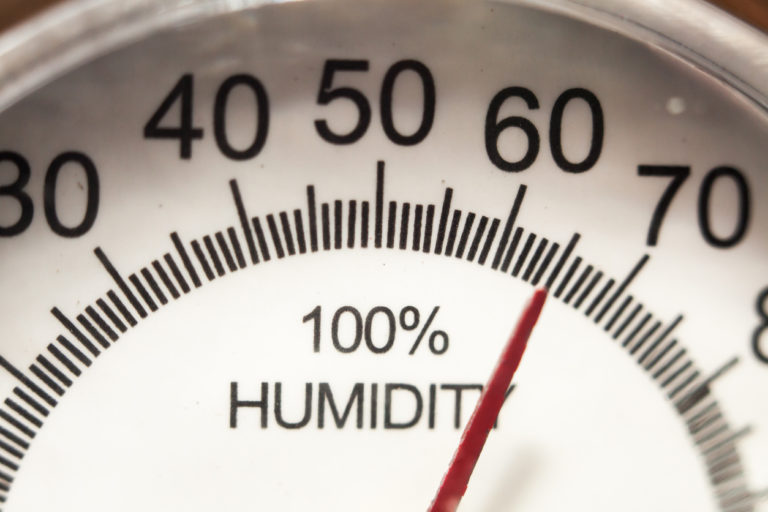
Humidity monitor displaying 65% humidity

Below 30%

The air may feel too dry.

Possible signs include:

  • Dry skin
  • Irritated eyes
  • Dry nasal passages
  • Frequent static electricity
  • Cracking wood furniture
  • Gaps in wood flooring or trim

Between 30% and 50%

This is the recommended range for most homes.

Continue monitoring the level and adjust as needed based on:

  • Outdoor temperature
  • Seasonal weather
  • Window condensation
  • Household comfort
  • Moisture concerns
  • HVAC performance

Above 50%

The home may begin to feel damp or clammy.

Possible concerns include:

  • Musty odors
  • Condensation
  • Dust mite activity
  • Mold growth
  • Peeling paint
  • Swollen wood
  • Reduced comfort

Above 60%

The risk of moisture-related problems increases.

Take steps to:

  • Identify the moisture source
  • Repair leaks
  • Improve ventilation
  • Check HVAC performance
  • Consider dehumidification
  • Schedule a professional evaluation

How Does the Ideal Humidity Level Change by Season?

Indoor humidity often changes as outdoor conditions change.

Summer

Warm outdoor air can carry significant moisture into the home.

During summer:

  • Aim to keep indoor humidity between 30% and 50%
  • Use bathroom and kitchen exhaust fans
  • Keep doors and windows closed when the AC is running
  • Check the HVAC condensate drain
  • Watch for musty odors or damp rooms
  • Schedule service if the AC runs but the home still feels humid

An air conditioner that is too large may cool the home quickly without running long enough to remove enough moisture.

Winter

Heating systems can make indoor air feel dry, especially during cold weather.

During winter:

  • Monitor humidity with a hygrometer
  • Avoid adding moisture unless the level is consistently low
  • Reduce humidifier settings if windows begin to sweat
  • Watch for condensation near exterior walls
  • Check wood floors and furniture for excessive dryness

The colder it becomes outside, the lower the indoor humidity may need to be to prevent condensation.

Rainy or Damp Weather

Extended rain can increase moisture levels indoors.

Pay extra attention to:

  • Basements
  • Crawl spaces
  • Bathrooms
  • Laundry rooms
  • Rooms with poor airflow
  • Areas near plumbing fixtures

Persistent moisture should be investigated rather than treated only with air-moving equipment.

How Do You Measure Indoor Humidity?

Use a hygrometer to measure indoor relative humidity.

A digital hygrometer can show:

  • Current humidity
  • Temperature
  • Daily high and low readings
  • Humidity trends over time

For a more accurate picture:

  • Place the hygrometer away from vents
  • Avoid direct sunlight
  • Keep it away from kitchens and showers
  • Check multiple rooms
  • Record readings at different times of day
  • Monitor conditions during changing weather

A single reading may not tell the full story. Humidity can rise during cooking, bathing, laundry, or rainy weather.

What Are the Signs Your Home Is Too Humid?

High humidity can make a home feel warmer and less comfortable even when the air conditioner is running.

Common signs include:

  • Condensation on windows
  • Musty odors
  • Visible mold or mildew
  • Damp-feeling rooms
  • Peeling paint
  • Warped wood
  • Swollen doors
  • Water stains
  • Persistent bathroom moisture
  • Clammy indoor air
  • An air conditioner that runs without improving comfort

High humidity may be caused by:

  • Plumbing leaks
  • Roof leaks
  • Poor bathroom ventilation
  • An oversized AC system
  • A clogged condensate drain
  • Duct leaks
  • Crawl space moisture
  • Open windows and doors
  • Improper dryer venting
  • Poor air circulation

The first step is to find and correct the moisture source.

What Are the Signs Your Home Is Too Dry?

Low humidity is more common during heating season, but it can also occur in tightly conditioned spaces.

Possible signs include:

  • Dry skin
  • Chapped lips
  • Irritated eyes
  • Dry throat
  • Frequent static shocks
  • Cracking wood furniture
  • Shrinking wood flooring
  • Gaps around trim
  • A home that feels colder than the thermostat setting

These signs can have more than one cause, so confirm the humidity level before adding moisture.

When Does Your Home Need a Dehumidifier?

A dehumidifier may help when indoor humidity regularly stays above 50%.

A dehumidifier may be useful in:

  • Basements
  • Crawl spaces
  • Bathrooms
  • Laundry areas
  • Homes with recurring summer humidity
  • Rooms with limited airflow
  • Homes with persistent musty odors

Before installing one, address basic moisture sources.

Start with:

  • Repairing plumbing leaks
  • Repairing roof leaks
  • Improving bathroom ventilation
  • Confirming the dryer vents outdoors
  • Cleaning the AC condensate drain
  • Sealing duct leaks
  • Checking crawl space moisture
  • Keeping doors and windows closed during humid weather

Portable Dehumidifiers

Portable units are designed for a specific room or small area.

They may be appropriate when:

  • Moisture is limited to one room
  • The space has a clear drainage option
  • The unit is sized for the room
  • The filter and water tank can be maintained regularly

Whole-Home Dehumidifiers

Whole-home systems work with the HVAC system to manage moisture throughout the home.

They may be appropriate when:

  • Humidity affects several rooms
  • The AC cannot maintain comfortable moisture levels
  • The home has recurring seasonal humidity
  • Portable units are not practical
  • Greater humidity control is needed

A professional can determine the appropriate capacity and installation method.

When Does Your Home Need a Humidifier?

A humidifier may help when indoor humidity remains below 30% and the air feels persistently dry.

Possible options include:

  • Portable room humidifiers
  • Console humidifiers
  • Whole-home bypass humidifiers
  • Fan-powered humidifiers
  • Steam humidifiers

Do not add moisture without measuring the indoor level first.

Too much humidification can cause:

  • Window condensation
  • Mold growth
  • Damp insulation
  • Peeling paint
  • Wood damage
  • Musty odors
  • Moisture inside walls

Use humidifiers carefully.

Good practices include:

  • Monitor humidity with a hygrometer
  • Lower the setting when outdoor temperatures fall
  • Clean portable units regularly
  • Replace filters or pads as recommended
  • Use clean water
  • Stop use if condensation appears
  • Include whole-home humidifiers in HVAC maintenance

Why Does Window Condensation Matter?

Condensation forms when warm, moist indoor air reaches a cold surface.

Common locations include:

  • Windows
  • Exterior walls
  • Metal frames
  • Uninsulated ducts
  • Bathroom mirrors
  • Cold plumbing pipes

A small amount of bathroom condensation after a shower may be temporary. Persistent moisture on windows or walls can indicate that indoor humidity is too high.

To reduce condensation:

  • Lower the humidifier setting
  • Use exhaust fans
  • Improve airflow
  • Open interior doors
  • Repair failed window seals
  • Check insulation
  • Reduce indoor moisture sources
  • Have the HVAC system evaluated

Ignoring recurring condensation can lead to mold, staining, peeling paint, and building damage.

Can Your Air Conditioner Control Indoor Humidity?

Your air conditioner removes moisture as it cools the air, but it must be properly sized and maintained.

Humidity control may be affected by:

  • Oversized equipment
  • Short operating cycles
  • Dirty evaporator coils
  • Clogged air filters
  • Low airflow
  • Blocked condensate drains
  • Incorrect thermostat settings
  • Duct leakage
  • Poor system installation

An oversized AC system may cool the home too quickly and shut off before removing enough moisture.

A properly sized system should support:

  • Longer, more effective cooling cycles
  • Better moisture removal
  • More consistent temperatures
  • Improved comfort
  • More stable indoor humidity

How Can You Maintain Healthy Humidity Levels?

Use a combination of moisture control, ventilation, and HVAC maintenance.

Helpful steps include:

  • Monitor humidity with a hygrometer
  • Replace HVAC filters regularly
  • Schedule professional HVAC maintenance
  • Use bathroom exhaust fans
  • Use the kitchen vent while cooking
  • Repair plumbing and roof leaks promptly
  • Keep the condensate drain clear
  • Make sure the dryer vents outdoors
  • Seal duct leaks
  • Improve crawl space moisture control
  • Keep furniture away from blocked vents
  • Use humidifiers and dehumidifiers only when needed

Avoid relying on equipment alone if the home has an active leak or ongoing moisture intrusion.

When Should You Call an HVAC Professional?

Schedule a professional evaluation when:

  • Indoor humidity remains above 50%
  • The home feels clammy with the AC running
  • Condensation appears regularly
  • Musty odors return after cleaning
  • The AC turns on and off frequently
  • Rooms have uneven humidity
  • The condensate drain keeps clogging
  • Mold or moisture appears near HVAC equipment
  • A humidifier or dehumidifier is not working correctly
  • You are considering whole-home humidity control
  • You are unsure whether the HVAC system is properly sized

A professional inspection may include:

  • Measuring indoor humidity
  • Checking system sizing
  • Testing airflow
  • Inspecting ductwork
  • Evaluating the evaporator coil
  • Checking the condensate system
  • Reviewing thermostat settings
  • Identifying ventilation issues
  • Recommending humidity-control equipment

Schedule Humidity Control Service With Blanton’s

The best indoor humidity level for most homes is between 30% and 50%, but maintaining that range can require more than adjusting the thermostat.

At Blanton’s Air, Plumbing & Electric, we can evaluate your HVAC system, airflow, moisture conditions, and indoor comfort concerns.

Our team can help with:

  • HVAC inspections
  • Air conditioning repair
  • System replacement
  • Whole-home dehumidifiers
  • Whole-home humidifiers
  • Airflow improvements
  • Duct inspections
  • Condensate drainage problems
  • Indoor air quality solutions

Contact Blanton’s Air, Plumbing & Electric to schedule an indoor comfort or humidity evaluation.

author avatar
ferociousmedia

Recent Posts

Don’t Settle For Less

Make Blanton’s Your First Call!

We make the process easy in multiple ways but you can always expect the same, easy way when you work with us:

There’s no waiting Around

We don't schedule in those 4 hour windows - you won’t have to wait around for us.

Instant Updates on Arrivals

We call you and give you updates. We provide a 30 minute heads up phone call.

You’ll Know Who Your Technician Is

Ahead of your appointment, you'll get an email with your technician's photo and some of their recent customer reviews.

We Provide real time tracking

When your tech is dispatched, we provide a link where you can track them en route.

There’s no waiting Around

We don't schedule in those 4 hour windows - you won’t have to wait around for us.

Instant Updates on Arrivals

We call you and give you updates. We provide a 30 minute heads up phone call.

You’ll Know Who Your Technician Is

When you book, you get a welcome email that shows your technician's photo and some of their recent customer reviews.

We Provide real time tracking

When your tech is dispatched, we provide a link where you can track them en route.
    How Can We Help?
    Name(Required)
    Email Consent

    Get Your service with a Wow!

    Our Extraordinary Service Plan features maintenance, Service, & Support for Your Home

    • Annual HVAC tune-up and inspection
    • Annual water heater inspection
    • Annual electrical safety inspection
    • No extra charge for Saturday service
    • All repairs backed by a one-year warranty
    • Exclusive members-only savings
    • Priority service and dedicated support line

    Learn More