Customer Portal



Delivering Trusted Service Since 1951
Back to Blog
Which Air Conditioner Models Are Best for Allergies & Asthma?

Happy Customers Choose...
There is no single air conditioner model that is best for every person with allergies or asthma. The best choice is a properly sized system that supports efficient filtration, controls indoor humidity, and maintains consistent airflow. For many homes, those features matter more than the brand name alone.
Your air conditioner does more than cool your home. It also circulates air, removes moisture, and sends air through the HVAC filter. When the system is properly selected and maintained, it can support a cleaner and more comfortable indoor environment.
However, an air conditioner cannot remove every allergen or asthma trigger. Indoor air quality depends on several factors, including:
- HVAC filtration
- Indoor humidity
- Ventilation
- Duct condition
- Household cleaning
- Pet dander
- Mold and moisture
- Outdoor pollutants
- Smoke and chemical irritants
At Blanton’s Air, Plumbing & Electric, we help homeowners evaluate the complete HVAC system instead of focusing on one model or feature. The right solution should match your home, comfort needs, and existing air quality concerns.
Which AC Features Are Best for Allergies and Asthma?
When comparing air conditioning systems, look for features that support filtration, humidity control, and steady airflow.
Important features include:
- High-efficiency filter compatibility
- Variable-speed or multi-stage operation
- Effective humidity control
- Proper system sizing
- Consistent air circulation
- Compatible indoor air quality accessories
- Sealed and properly designed ductwork
- Easy access for filter changes and maintenance
A specific model may perform well in one home and poorly in another. Installation quality, duct design, equipment sizing, and maintenance can have a major effect on performance.
Why Does Filter Compatibility Matter?
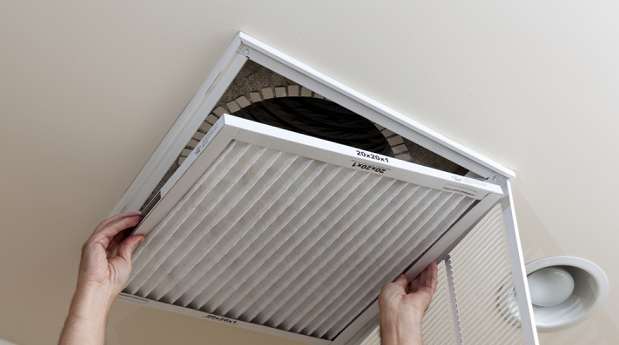
The HVAC filter captures particles as air moves through the system.
Depending on the filter and system design, filtration may help reduce airborne particles such as:
- Dust
- Pollen
- Pet dander
- Some mold spores
- Textile fibers
- Other fine particles
Filters are commonly rated using the Minimum Efficiency Reporting Value, or MERV scale. A higher MERV rating generally means the filter can capture smaller particles.
For many homes, a MERV 13 filter may provide improved particle filtration when the HVAC system can support it. However, installing a filter that is too restrictive can reduce airflow.
Restricted airflow may contribute to:
- Reduced comfort
- Longer operating cycles
- Higher energy use
- Frozen evaporator coils
- Uneven temperatures
- Increased wear on HVAC components
Before upgrading to a higher-efficiency filter, have an HVAC professional confirm that the system can maintain proper airflow.
Should You Install a HEPA Filter in Your HVAC System?
True HEPA filters are highly effective at capturing small particles, but they are not automatically suitable for standard residential HVAC systems.
HEPA filters may create more airflow resistance than the system was designed to handle. Installing one without evaluating the equipment and ductwork could reduce performance.
A better approach may include:
- Using the highest MERV-rated filter the HVAC system can safely support
- Adding a compatible whole-home air cleaner
- Using a properly sized portable HEPA air cleaner in a bedroom or living space
- Sealing duct leaks
- Improving humidity control
- Scheduling regular HVAC maintenance
Portable HEPA air cleaners are designed to filter the air in a specific room or area. When selecting one, match the unit’s capacity to the size of the room.
Avoid assuming that a product labeled “HEPA-type” provides the same filtration as a true HEPA filter.
How Does Variable-Speed Air Conditioning Support Indoor Air Quality?
Variable-speed systems can operate at lower speeds for longer periods instead of switching between full power and completely off.
Longer operating cycles may support:
- More consistent indoor temperatures
- Steadier airflow
- More time for air to pass through the filter
- Improved moisture removal
- Quieter operation
- Fewer temperature swings
This does not mean every variable-speed system is automatically the best option. The equipment still needs to be properly sized, installed, and configured for the home.
A variable-speed system that is too large may still cycle improperly. A correctly sized system with good airflow is more important than choosing advanced equipment without evaluating the home.
Why Is Humidity Control Important for Allergies and Asthma?
Indoor moisture can affect comfort and air quality.
High humidity can create conditions that support:
- Mold growth
- Musty odors
- Dust mite activity
- Condensation
- Moisture damage
Very dry indoor air may also irritate the nose, throat, and airways.
Many homeowners aim to keep indoor relative humidity between approximately 30% and 50%. The ideal level may vary based on outdoor conditions, the home, and individual comfort needs.
To improve humidity control:
- Make sure the AC system is correctly sized
- Repair plumbing, roof, and window leaks
- Keep the condensate drain clear
- Maintain the evaporator coil
- Use bathroom and kitchen exhaust fans
- Monitor humidity with a hygrometer
- Consider whole-home dehumidification when needed
An oversized air conditioner may cool the home quickly without running long enough to remove sufficient moisture.
Why Does Proper AC Sizing Matter?
A larger air conditioner is not always better.
An oversized system may:
- Turn on and off too frequently
- Leave excess humidity indoors
- Create uneven temperatures
- Provide less consistent filtration
- Increase equipment wear
An undersized system may:
- Run for excessively long periods
- Struggle to maintain the thermostat setting
- Increase energy consumption
- Wear out prematurely
- Provide inadequate comfort during hot weather
An HVAC professional should perform a load calculation before recommending replacement equipment.
The calculation may consider:
- Home size
- Insulation
- Window type and placement
- Air leakage
- Ceiling height
- Local climate
- Number of occupants
- Heat-producing appliances
- Existing ductwork
Proper sizing helps the system manage temperature, airflow, and humidity more effectively.
Can Ductwork Affect Allergies and Indoor Air Quality?
Yes. Your duct system carries conditioned air throughout the home. Leaks, damage, and poor installation can affect both comfort and air quality.
Duct problems may allow the system to pull in:
- Dust
- Insulation fibers
- Attic air
- Crawl space contaminants
- Excess humidity
- Outdoor pollutants
Possible signs of duct problems include:
- Heavy dust buildup
- Uneven room temperatures
- Weak airflow
- Unusually high utility bills
- Musty odors
- Visible duct damage
- Rooms that never feel comfortable
Duct sealing and repair may improve airflow and reduce the amount of unconditioned air entering the system.
Routine duct cleaning is not always necessary. It may be appropriate when there is confirmed contamination, excessive debris, pest activity, or visible mold that has been professionally evaluated.
Which Indoor Air Quality Add-Ons Should You Consider?
Some homes benefit from additional air quality equipment.
Options may include:
- Whole-home media air cleaners
- Portable HEPA air cleaners
- Whole-home dehumidifiers
- Humidifiers for excessively dry conditions
- Mechanical ventilation systems
- Germicidal ultraviolet lights for specific HVAC applications
- Smart thermostats with humidity monitoring
The right option depends on the problem you are trying to solve.
For example:
- Particle concerns may call for better filtration
- Persistent high humidity may require dehumidification
- Stale indoor air may require ventilation improvements
- Recurring HVAC moisture may require drainage or equipment repairs
- Mold growth requires moisture-source correction
No single accessory addresses every indoor air quality issue.
Should You Use Ionizers or Ozone-Producing Air Cleaners?
Be cautious with products that intentionally generate ozone or use unclear air-cleaning claims.
Ozone can irritate the lungs and may worsen breathing symptoms. Products marketed as air purifiers, ionizers, or electronic air cleaners should be evaluated carefully.
Before installing an air-cleaning product, ask:
- Does the product intentionally produce ozone?
- Has it been independently tested?
- What pollutants is it designed to address?
- Will it affect HVAC airflow?
- What maintenance does it require?
- Is it compatible with the existing system?
Choose equipment based on verified performance and professional application, not marketing language alone.
What Indoor Pollutants Can Trigger Allergy or Asthma Symptoms?
Common indoor triggers may include:
- Dust mites
- Pet dander
- Pollen
- Mold
- Cockroach particles
- Tobacco smoke
- Wood smoke
- Strong fragrances
- Cleaning chemicals
- Pest-control products
- Outdoor pollution entering the home
HVAC improvements can help reduce exposure to some airborne particles, but filtration should be part of a broader plan.
Additional steps may include:
- Vacuuming with a sealed HEPA vacuum
- Washing bedding regularly
- Managing indoor moisture
- Repairing leaks promptly
- Keeping pets out of sleeping areas
- Using exhaust fans
- Avoiding indoor smoking
- Reducing strong fragrances
- Following pest-control best practices
- Keeping windows closed when outdoor pollen is high
How Can HVAC Maintenance Support Cleaner Indoor Air?
Even a high-quality system cannot perform properly when it is dirty or poorly maintained.
Regular maintenance may include:
- Replacing the filter
- Inspecting the evaporator coil
- Cleaning the condensate drain
- Checking blower operation
- Measuring airflow
- Inspecting accessible ductwork
- Checking humidity performance
- Confirming proper system operation
- Identifying moisture or microbial growth concerns
A dirty filter can reduce airflow. A clogged condensate drain can create moisture problems. A dirty coil can affect performance and efficiency.
Follow the filter manufacturer’s instructions, but also inspect the filter regularly. Homes with pets, construction dust, smoke, or heavy system use may need more frequent filter changes.
How Should You Choose an AC System for a Health-Sensitive Household?
Focus on the complete system instead of choosing equipment based only on a brand or advertised feature.
Ask your HVAC professional:
- Is the system correctly sized for the home?
- What filter rating can it safely support?
- Does it offer variable-speed or multi-stage operation?
- How will it control indoor humidity?
- Is the existing ductwork properly sealed and sized?
- Would a whole-home air cleaner help?
- Would a portable HEPA air cleaner be more appropriate?
- Is additional dehumidification needed?
- Are any proposed products designed to generate ozone?
- What maintenance will the system require?
The strongest recommendation should be based on an inspection of your home, HVAC system, ductwork, and indoor air quality concerns.
Schedule an Indoor Air Quality Evaluation With Blanton’s
The best air conditioner for allergies or asthma is not defined by one model number. It is a properly designed system that supports efficient filtration, humidity control, balanced airflow, and reliable operation.
At Blanton’s Air, Plumbing & Electric, we can evaluate your current HVAC system and help you understand which improvements may support better comfort and indoor air quality.
Our recommendations may include:
- AC replacement
- Higher-efficiency filtration
- Airflow improvements
- Duct sealing or repair
- Humidity control
- Whole-home air cleaning
- Preventive HVAC maintenance
Indoor air quality improvements may help reduce exposure to certain airborne particles and triggers, but they do not diagnose, treat, or cure allergies or asthma. Continue following guidance from your healthcare provider.
Contact Blanton’s Air, Plumbing & Electric to schedule HVAC or indoor air quality service.
How Can We Help?

Recent Posts


Don’t Settle For Less
Make Blanton’s Your First Call!
We make the process easy in multiple ways but you can always expect the same, easy way when you work with us:
Ready for what’s next?
How Can We Help?
Get Your service with a Wow!
Our Extraordinary Service Plan features maintenance, Service, & Support for Your Home
- Annual HVAC tune-up and inspection
- Annual water heater inspection
- Annual electrical safety inspection
- No extra charge for Saturday service
- All repairs backed by a one-year warranty
- Exclusive members-only savings
- Priority service and dedicated support line
Learn More