Customer Portal


Delivering Trusted Service Since 1951
Back to Blog
How the Heat Affects Your Air Conditioner

Happy Customers Choose...
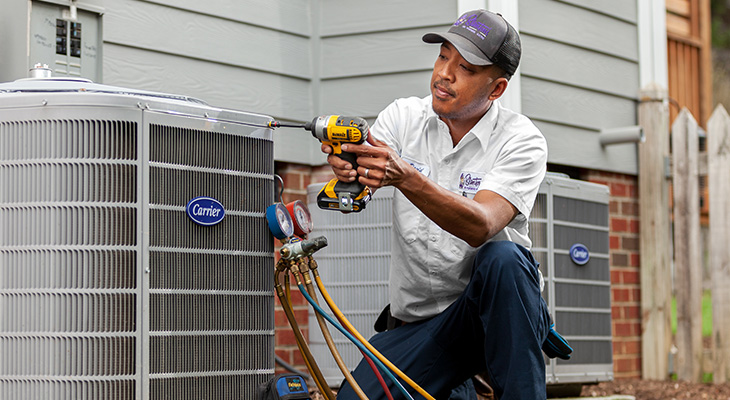
Extreme heat makes your air conditioner run longer, work harder, and use more energy because it has to remove heat from your home while outdoor temperatures are already high. When temperatures reach the mid-90s or climb above 100°F, your AC may struggle to keep your home as cool as usual, especially if the system is older, dirty, undersized, or overdue for maintenance.
When summer temperatures climb in Raleigh, Fayetteville, and surrounding North Carolina communities, your air conditioner becomes one of the hardest-working systems in your home. On a normal warm day, your AC removes heat from inside your home and releases it outdoors. But when the outdoor temperature rises into the 90s or higher, that process becomes much more difficult.
Your air conditioner is designed to cool your home within a certain range. During extreme heat, it may run longer than usual, cycle more frequently, or struggle to reach the temperature set on your thermostat. That does not always mean your AC is broken. In many cases, it means the system is fighting intense outdoor heat, high humidity, and increased indoor heat gain.
At Blanton’s Air, Plumbing & Electric, we help homeowners keep their cooling systems running safely and efficiently through North Carolina’s toughest summer weather. In this guide, we’ll explain how hot weather affects your air conditioner, why your AC may struggle when temperatures rise, what you can do to help your system, and when it is time to call a professional.
How Does Hot Weather Affect Your Air Conditioner?
Hot weather affects your air conditioner by making it harder for the system to release heat to the outside air. Your AC does not create cold air in the way many people think. Instead, it removes heat from inside your home and transfers that heat outdoors.
When the temperature outside is mild, this process is easier. When the temperature outside is extremely hot, your AC has to work harder to move heat into the already hot air.
During extreme heat, your air conditioner may:
- Run for longer periods of time
- Use more electricity
- Struggle to reach the thermostat setting
- Cool rooms unevenly
- Remove humidity less effectively
- Experience more wear and tear
- Become more likely to break down if maintenance has been neglected
This is why many homeowners notice that their AC performs differently during heat waves. A system that seems fine during an 85°F day may struggle when the temperature reaches 95°F or higher.
Why Does My AC Run Constantly When It’s Hot Outside?
Your AC may run constantly during extreme heat because your home is gaining heat faster than the system can remove it. Heat enters your home through windows, doors, attic spaces, walls, air leaks, and even daily activities like cooking or running appliances.
When outdoor temperatures stay high all day, your home may never get a real break from heat gain. Your AC keeps running because it is trying to maintain your thermostat setting while new heat continues entering the house.
Constant AC operation during a heat wave can be normal, especially during the hottest part of the afternoon. However, nonstop operation can also point to an issue if your home is not cooling properly.
Your AC may run constantly because of:
- Extreme outdoor temperatures
- Dirty or clogged air filters
- Low refrigerant levels
- Dirty outdoor condenser coils
- Poor airflow
- Leaky or undersized ductwork
- An aging system
- An incorrectly sized AC unit
- Poor attic insulation
- Heat gain from uncovered windows
If your system runs all day but your home still feels hot, humid, or uncomfortable, it is a good idea to schedule AC service.
Why Does AC Performance Drop Above 95°F?
Many central air conditioners are designed to cool a home to a certain difference between indoor and outdoor temperatures. When outdoor temperatures rise above 95°F, your system may have a harder time keeping your home at a low thermostat setting.
For example, if it is 98°F outside and your thermostat is set to 68°F, your AC may struggle to create that large a temperature difference. The system may continue running, but the indoor temperature may rise above your preferred setting.
That does not always mean the system has failed. It may mean the AC is operating near its limit under extreme conditions.
When temperatures climb above 95°F, homeowners may notice:
- Longer cooling cycles
- Indoor temperatures that creep upward
- Rooms that feel warmer than usual
- Higher energy bills
- More humidity inside the home
- Reduced airflow if the filter or coils are dirty
- Less comfort during peak afternoon heat
Setting the thermostat too low during extreme heat can worsen the problem. Lowering the thermostat does not make your AC cool faster. It only tells the system to keep running longer, which can increase strain without solving the comfort issue.
What Happens to Your AC When Temperatures Rise Above 100°F?
When outdoor temperatures rise above 100°F, your air conditioner is under major stress. The system must run longer to remove indoor heat, while the outdoor condenser has to release that heat into very hot air.
This can make existing problems show up quickly. A dirty coil, weak capacitor, low refrigerant charge, failing fan motor, or clogged filter may not seem serious during mild weather. But during triple-digit heat, those issues can cause poor cooling, system shutdowns, or full breakdowns.
Above 100°F, your AC may be more likely to experience:
- Overheating components
- Electrical strain
- Frozen evaporator coils from airflow or refrigerant problems
- Compressor stress
- Short cycling
- Weak airflow
- Warm air from vents
- Sudden shutdowns
- Higher risk of emergency repair needs
If your AC stops cooling during extreme heat, do not ignore it. Continued operation during a malfunction can damage the system further and lead to more expensive repairs.
How Does Humidity Make Your AC Work Harder?
North Carolina heat often comes with high humidity, and humidity plays a major role in indoor comfort. Your AC helps remove moisture from the air as it cools your home. But during very humid weather, the system has to manage both temperature and moisture.
When humidity is high, your home may feel warmer than the thermostat reading suggests. A room set to 74°F can still feel sticky or uncomfortable if the air is humid.
High humidity can make your AC work harder because:
- Moist air holds more heat
- The system must remove both heat and moisture
- Short cooling cycles may not remove enough humidity
- Leaky ductwork can pull humid air into the system
- Poor airflow can reduce moisture removal
- Oversized systems may cool too quickly without dehumidifying well
If your home feels clammy even when the AC is running, your system may need maintenance, airflow improvements, or upgrades to control humidity.
How Can You Help Your AC During Extreme Heat?
You can reduce strain on your air conditioner by improving airflow, reducing heat gain, and setting your thermostat realistically. Small steps can make a noticeable difference during a heat wave.
To help your AC during extreme heat:
- Replace or check your air filter. A dirty filter blocks airflow, forcing your system to work harder.
- Keep your thermostat at a reasonable setting. Around 78°F is often more manageable during extreme heat than very low settings.
- Avoid constantly lowering the thermostat. Setting it lower does not cool your home faster.
- Close blinds and curtains during peak sun. This helps reduce heat entering through windows.
- Use ceiling fans. Fans help circulate air, making rooms feel cooler.
- Keep vents open and unblocked. Furniture, rugs, and curtains can restrict airflow.
- Limit heat-producing activities. Cooking, laundry, and oven use can add heat during the hottest part of the day.
- Clear debris around the outdoor unit. Leaves, grass, and shrubs can restrict the condenser’s ability to release heat.
- Make sure the outdoor unit has space. Keep plants and storage items away from the unit.
- Schedule seasonal AC maintenance. A tune-up helps catch problems before they become summer breakdowns.
These steps will not turn an aging or undersized system into a brand-new one, but they can help your AC perform better during tough weather.
What Should You Set Your Thermostat to During a Heat Wave?
During a heat wave, it is best to set the thermostat to a level that balances comfort and system performance. If the outside temperature is extremely high, setting the thermostat very low can cause your AC to run continuously without reaching the target temperature.
A realistic thermostat setting can help reduce stress on the system and improve energy efficiency.
During extreme heat, consider these thermostat tips:
- Set the thermostat around 78°F when you are home
- Raise the setting a few degrees when you are away
- Avoid large temperature swings
- Use ceiling fans to improve comfort
- Keep blinds closed in sunny rooms
- Use a smart thermostat for better scheduling
- Do not turn the system off completely during extreme heat
If your AC cannot maintain a reasonable temperature, even with good airflow and proper thermostat settings, it may need professional attention.
When Is AC Trouble More Than Just Extreme Heat?
Some performance changes are normal during a heat wave, but certain warning signs can point to a real AC problem. If your system is blowing warm air, making unusual noises, or failing to cool your home, it is time to schedule service.
Call for AC repair if you notice:
- Warm air coming from the vents
- Weak or limited airflow
- Loud banging, buzzing, grinding, or rattling noises
- Ice forming on the indoor or outdoor unit
- Water leaking around the system
- Burning or electrical smells
- The outdoor unit not running
- The system turning on and off rapidly
- The thermostat not responding
- Your home staying hot despite nonstop operation
These issues should not be ignored. A fast repair can help prevent more damage and restore comfort before the system fails completely.
Can Maintenance Help Your AC Handle Hot Weather?
Yes. Regular maintenance is one of the best ways to help your air conditioner perform during extreme heat. A clean, properly inspected system can move air more efficiently, cool more consistently, and operate with less strain.
During an AC maintenance visit, a technician may:
- Inspect system performance
- Check refrigerant levels
- Clean or inspect coils
- Test electrical components
- Check the thermostat
- Inspect the condensate drain
- Evaluate airflow
- Look for worn parts
- Identify repair concerns early
Maintenance is especially important before summer because heat waves put extra pressure on every part of the system. A small issue in spring can turn into a major breakdown in July or August.
Should You Repair or Replace an AC That Struggles in the Heat?
If your AC struggles only during rare extreme heat, a repair or maintenance visit may be all that’s needed. But if your system is older, inefficient, or constantly failing, replacement may be the better long-term option.
You may want to consider AC replacement if:
- Your system is more than 10 years old
- Repairs are becoming frequent
- Your energy bills keep rising
- Your home has ongoing hot spots
- Your AC runs constantly in normal summer weather
- The system uses outdated refrigerant
- Repair costs are getting too high
- Your home never feels comfortable
- You want better efficiency and humidity control
A professional inspection can help determine whether your system needs a repair, a tune-up, or a replacement recommendation.
Schedule AC Service Before Extreme Heat Causes a Breakdown
Extreme heat can push your air conditioner to its limit, especially if the system is dirty, aging, undersized, or overdue for maintenance. If your AC is running nonstop, blowing warm air, struggling to cool your home, or showing signs of stress, now is the time to act.
Do not wait until your air conditioner fails during the hottest part of the summer. Schedule AC service with Blanton’s Air, Plumbing & Electric today and get expert help keeping your home cool, comfortable, and ready for North Carolina heat.
How Can We Help?

Recent Posts

Don’t Settle For Less
Make Blanton’s Your First Call!
We make the process easy in multiple ways but you can always expect the same, easy way when you work with us:
Ready for what’s next?
How Can We Help?
Get Your service with a Wow!
Our Extraordinary Service Plan features maintenance, Service, & Support for Your Home
- Annual HVAC tune-up and inspection
- Annual water heater inspection
- Annual electrical safety inspection
- No extra charge for Saturday service
- All repairs backed by a one-year warranty
- Exclusive members-only savings
- Priority service and dedicated support line
Learn More