
Why Is My Furnace Leaking Water? 7 Common Causes and What to Do

Happy Customers Choose...
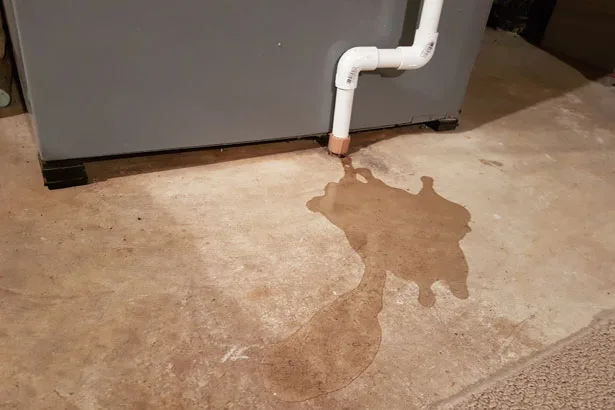
A furnace may leak water because of a clogged condensate drain, a damaged drain pan, a malfunctioning condensate pump, or a leaking humidifier. High-efficiency furnaces produce condensation during heating, while water around conventional furnaces may come from connected air conditioning equipment or nearby plumbing. If you notice water pooling around your furnace, turn off the system if it is safe and contact an HVAC professional to identify the source.
Finding water around your furnace can be concerning, especially when you cannot identify where it is coming from. Although some heating and cooling systems naturally produce condensation, water leaking onto the floor is not normal. Understanding the possible causes can help you prevent additional moisture damage and determine when professional repairs are necessary.
For homeowners in Raleigh, Fayetteville, Durham, Cary, and surrounding North Carolina communities, furnace-area leaks can occur during both heating and cooling seasons. Humid summers increase condensation from air conditioning equipment, while high-efficiency furnaces produce moisture during winter heating. Knowing which system is operating when the leak appears can help narrow down the problem.
What Are the Most Common Causes of a Furnace Water Leak?
Furnace water leaks can develop when condensation cannot drain properly or when connected HVAC components malfunction. The exact cause depends on your equipment type, drainage system, and whether your home is being heated or cooled. These seven issues are among the most common reasons water collects around a furnace.
1. Can a Clogged Condensate Drain Cause a Furnace Leak?
A clogged condensate drain commonly causes water leaks around indoor HVAC equipment. Dirt, debris, and biological buildup can restrict the drain line, causing condensation to back up and spill near the furnace. This problem can affect high-efficiency furnaces during heating and air conditioning systems during cooling.
Common warning signs include:
- Water pooling near the furnace base
- Moisture around the condensate drain line
- Water collecting near the drain pan
- A condensate safety switch shutting down the system
- Recurring leaks during heating or cooling cycles
A clogged drain may require professional cleaning to restore proper water flow. Avoid pouring harsh chemical drain cleaners into HVAC drainage components. An HVAC technician can clear the obstruction and inspect the system for additional problems.
2. Can a Damaged Drain Pan Cause Water to Leak?
A condensate drain pan collects moisture produced by applicable HVAC equipment and directs it toward the drainage system. Over time, a pan may develop cracks, corrosion, or other damage that allows water to escape. Improper positioning or drainage problems can also prevent condensation from reaching the drain line.
If water appears beneath the furnace or connected air conditioning equipment, the drain pan may need inspection. Some drain pans are located inside equipment cabinets and should not be accessed without appropriate training. A qualified technician can determine whether cleaning, adjustment, or replacement is necessary.
3. What Happens When a Condensate Pump Stops Working?
Some furnaces and air conditioning systems use condensate pumps to move collected water to a suitable drain. If the pump fails, becomes clogged, or loses electrical power, water may accumulate in the collection reservoir. Eventually, the reservoir can overflow and create a leak around the equipment.
Signs of a condensate pump problem may include:
- Standing water near the pump
- Water overflowing from the collection reservoir
- Unusual pump noises
- A pump that does not activate
- Heating or cooling equipment shutting down unexpectedly
Condensate pumps contain electrical components that should not be handled when exposed to water. Avoid opening or disconnecting the pump yourself. An HVAC professional can inspect the pump, drainage tubing, and electrical connections.
4. Can a High-Efficiency Furnace Leak Water?
High-efficiency condensing furnaces produce water as part of normal operation. These systems extract additional heat from combustion gases, causing water vapor to condense into liquid. The condensation should flow through a properly installed drainage system rather than collect around the furnace.
Leaks can develop when condensate traps become blocked, drainage tubing disconnects, or internal drainage components deteriorate. Water may also escape when the condensate system is improperly installed or damaged. A technician can inspect these components and determine why condensation is not draining correctly.
5. Can a Frozen AC Coil Make It Look Like the Furnace Is Leaking?
Yes, a frozen air conditioning evaporator coil can cause water to collect around a furnace when the systems share indoor equipment. Restricted airflow, dirty filters, and refrigerant-related problems can cause the coil to freeze during cooling. When the ice melts, excess water may overwhelm the drainage system or escape from the equipment.
Potential signs of a frozen evaporator coil include:
- Weak airflow from supply vents
- Reduced cooling performance
- Ice on accessible refrigerant lines
- Water appearing after the cooling system stops
- Unusually long cooling cycles
If you suspect a frozen coil, turn off the cooling system and contact an HVAC professional. Do not attempt to remove ice using sharp objects or apply direct heat to the equipment. Refrigerant testing and repairs require qualified technicians.
6. Can a Whole-Home Humidifier Cause a Furnace Leak?
Some homes have whole-home humidifiers installed alongside their heating equipment. These devices add moisture to the air and may use water supply lines, drainage tubing, and internal components that can leak. A loose connection, clogged drain, or malfunctioning humidifier can cause water to collect near the furnace.
If your furnace has an attached humidifier, check for visible moisture around its accessible exterior connections without removing covers. Water appearing near the humidifier may indicate a supply or drainage problem rather than a furnace malfunction. A technician can inspect the equipment and repair damaged components.
7. Why Is Water Leaking Near My Furnace Vent Pipe?
Water near a furnace vent pipe may result from condensation, improper drainage, or moisture entering through a damaged vent connection. High-efficiency furnaces use specialized venting systems that must be installed and maintained according to manufacturer requirements. Venting or condensate drainage problems can cause moisture to appear around the equipment.
Investigate visible water near vent connections because improper venting can also create combustion safety concerns. Don’t disconnect or adjust furnace exhaust pipes yourself. A qualified HVAC technician can inspect the venting system and identify the source of the moisture.
What Should You Do Immediately If Your Furnace Is Leaking Water?
Address water around heating equipment promptly to reduce the risk of electrical hazards, corrosion, and property damage. Even a small leak can become more serious if the system keeps running. Start with basic safety precautions rather than attempting internal repairs.
Follow these steps:
- Turn off the system: Set the thermostat to off and use the equipment disconnect only if it is safe and dry.
- Avoid electrical hazards: Do not touch outlets, switches, or equipment exposed to standing water.
- Locate visible moisture: Check accessible areas near the drain line, pump, or humidifier without opening service panels.
- Protect nearby belongings: Move stored items away from the wet area when safe.
- Document the problem: Take photos and note whether the leak occurs during heating or cooling.
- Schedule professional service: Contact an HVAC technician if the water continues to leak or the source is unclear.
Avoid using chemical cleaners or attempting to disconnect internal HVAC components. Water near electrical equipment requires additional caution, particularly when the surrounding floor is wet. Professional troubleshooting can identify the cause and help prevent recurring damage.
Why Do Furnace Water Leaks Happen in North Carolina Homes?
Homes in Raleigh, Fayetteville, Durham, and surrounding communities rely on heating and cooling equipment year-round. During North Carolina’s humid summers, air conditioners remove moisture from indoor air and direct it through condensate drains. During colder weather, high-efficiency furnaces also produce condensation that must drain properly.
Seasonal conditions that can contribute to furnace-area leaks include:
- Humid summers: Air conditioners produce more condensate when removing moisture from indoor air.
- Heavy cooling demand: Extended operation can expose existing drainage problems.
- Winter heating: High-efficiency furnaces produce condensation during normal heating.
- Seasonal transitions: Switching between heating and cooling can reveal previously unnoticed leaks.
- Deferred maintenance: Drain blockages and worn components may develop over time.
Homeowners in Cary, Apex, Holly Springs, Hope Mills, and Sanford should pay attention to when leaks appear. Water collecting during summer cooling may have a different cause than a leak that develops during winter heating. An HVAC technician can evaluate the equipment and recommend appropriate repairs.
How Can You Prevent Furnace Water Leaks?
Routine HVAC maintenance can help identify drainage problems before they cause water damage. During professional service, technicians can inspect condensate lines, drain pans, pumps, and other applicable components. These inspections also provide an opportunity to identify wear or damage that may affect heating and cooling performance.
Preventive maintenance should include:
- Checking and replacing air filters as recommended
- Scheduling regular professional HVAC maintenance
- Keeping accessible equipment areas clear of debris
- Having condensate drains inspected and cleaned when necessary
- Checking condensate pumps for proper operation
- Addressing unusual moisture or drainage problems promptly
Preventive maintenance cannot eliminate every potential leak, but it can reduce the likelihood of certain drainage problems going unnoticed. Homeowners should also monitor areas around indoor HVAC equipment for changes in moisture levels. If water repeatedly appears near the furnace, professional diagnosis is recommended.
Need Furnace Leak Repair in Raleigh or Fayetteville?
A leaking furnace can indicate a clogged drain, damaged component, or problem with connected heating and cooling equipment. Blanton’s Air, Plumbing & Electric provides professional HVAC troubleshooting and repair services throughout the Raleigh-Durham Triangle and Fayetteville areas. Our technicians can identify the leak’s source and recommend repairs to restore proper system operation.
Whether your furnace leaks during winter heating or your AC system causes water to collect indoors, our team can help you determine the next steps. Schedule your HVAC appointment with Blanton’s today.